

Pushing Prosthetics: Can I Get ClearCorrect With Dental Restorations?
July 7, 2025
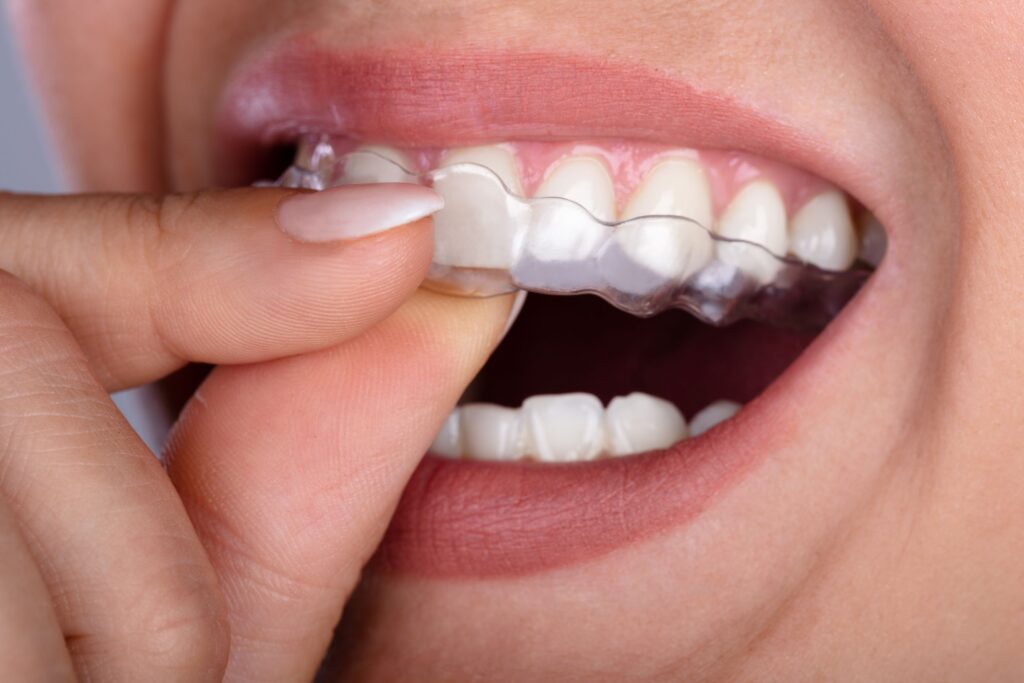
Dental restorations like crowns, bridges, and veneers are all made from resilient porcelain that can be customized to match your natural enamel for seamless results. Your dentist can use these options to address chips, cracks, stubborn stains, and damaged teeth to restore your smile’s appearance and functionality.
However, they don’t do anything to actually straighten teeth. If you’re considering an orthodontic service, like ClearCorrect, you might wonder whether the plastic aligners can effectively shift teeth that are covered by prosthetics. Continue reading to learn more about it!
How Does ClearCorrect Work?
Although braces are the tried-and-true solution for straightening smiles, they rely on metal brackets and wires that can cut the tender tissues in your mouth and attract unwanted attention. Patients seeking a more comfortable and discreet option might be good candidates for ClearCorrect.
This alternative orthodontic method utilizes clear plastic trays that fit snugly over your arches to exert gentle pressure to shift them over a designated period. However, because the aligners are removable, you must wear them for 20 to 22 hours to prevent your teeth from reverting to their previous positions. Then, after about a week or two, you’ll switch to the next pair in your series to account for their ongoing movement.
Can I Get ClearCorrect If I Have Restorations On My Teeth?
ClearCorrect continues to gain popularity as an effective alternative to standard orthodontics, but if you have veneers, a dental bridge, or dental crowns, you might wonder whether the trays will still work.
Technically, it’s possible to undergo this treatment even with restorations on your pearly whites, though there are different factors that need to be taken into account before proceeding. For ClearCorrect to be effective in such circumstances, your provider must consider the following:
- Where your prosthetics are located. Dental crowns over your back teeth require less attention than those that are more easily visible in the front.
- The condition of your prosthetics. If they’re in good shape and are firmly bonded to your enamel, they won’t likely pose many issues to your orthodontics. If they’re loose or damaged, they will likely need to be repaired or replaced before proceeding.
- The number of restorations you have. Those with multiple veneers or crowns can expect their treatment plan to take longer and might require more frequent adjustments to the aligners.
Before you can proceed with ClearCorrect, you must consult your dentist to ensure you’re a good candidate. This initial appointment is the perfect time to bring up your concerns so they can answer your questions based on your current dental condition and goals.
Meet the Author
Dr. Brent Cline is passionate about helping families in Idaho Falls improve their lives by enhancing their dental health. He earned his dental doctorate from Creighton University in Omaha, NE before completing advanced General Dentistry training at ISU in Pocatello. Today, he offers a comprehensive menu of services to meet all your needs under one roof, including ClearCorrect clear aligners. His caring approach is paired with advanced technology to improve patient comfort while delivering accurate, long-lasting results. You can request an appointment on the website or call (208) 487-5987.